
Have you thought about starting a garden? Want to add some beauty to your yard? How about helping the planet at the same time?
It can be easy to think of ourselves as separate from the natural world. Taking some time to connect back with nature and cultivating a bit of it in your own yard can bridge that gap. Incorporate native plants and trees into your new project.
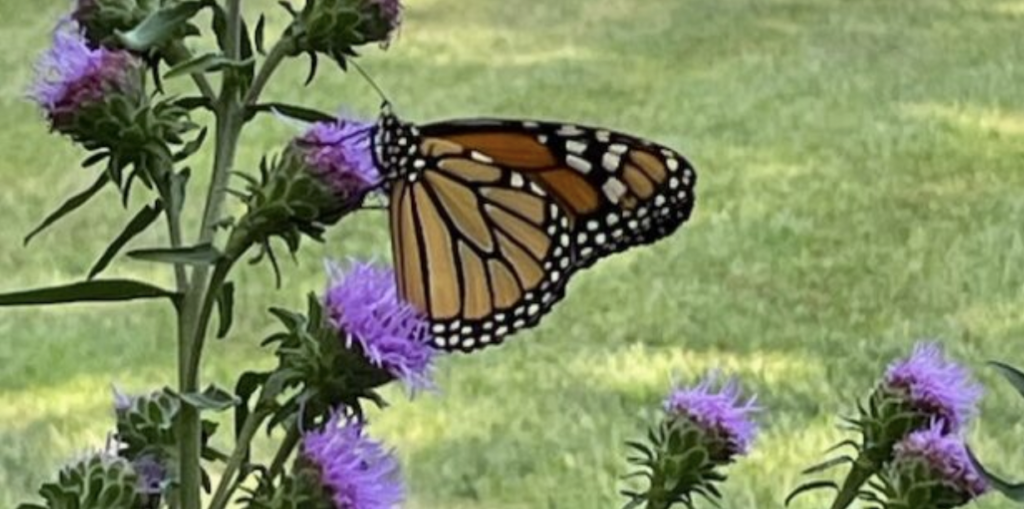
Native plants are those that occur naturally in a region in which they evolved. Native plants provide many eco-friendly benefits. Native species attract birds and other wildlife and contribute to a thriving local ecosystem. They support pollinators, which are key for having delicious fruits and vegetables. Choosing native plants for your garden is an option that is lower maintenance. They generally use less water than non-native species, since they are adapted to the local climate. Native plants also need few to no chemical fertilizers. Eliminating chemical fertilizers and the runoff that results from them helps to keep our waterways cleaner and supports aquatic wildlife.
Plants provide more than just beauty to our lives and support the local wildlife, however. All plants provide a pathway for capturing and storing carbon. The process of photosynthesis uses carbon dioxide from the atmosphere to produce sugar for the plants and oxygen, which we all get to enjoy. While this process takes place within most plants, trees are an excellent way to take that benefit to the next level. One tree can absorb approximately 22 pounds of carbon per year. You can also try and calculate the carbon sequestration of a specific tree here.
Elevate your garden with a native tree! Full grown trees provide shade, mitigate stormwater, and can even help regulate your home energy usage by protecting it from the sun in the summer and acting as a windbreak in the winter. Trees also increase property values for you and your neighbors.